


News Nation dedicated a special edition of its programme Reality Check to the first release event. The speakers were, in turn, Luis Elizondo (former head of the AATIP programme at the Pentagon), Billy Kryzak (imagery analyst), Sam Gerb (researcher under the pseudonym “UAP Gerb”) and Rob Jones.
The discussion centred on a single tension: although the principle of this ‘drop’ was unprecedented, its content was meagre – a point highlighted from the outset by Coulthart, who noted that the 46 videos requested from the Pentagon by Representative Anna Paulina Luna were not included.
Elizondo put things into perspective, reminding the audience that the Department of Defence itself refers to tens of millions of documents potentially involved, and emphasised the legal constraints preventing any disclosure—even by the President—of certain so-called ‘covert actions’. Kryzak examined the most controversial visual evidence published, distinguishing between what constitutes an optical artefact and what defies conventional explanation. Gerb refocused the debate on institutional architecture: as long as the Department of Energy classifies documents as ‘restricted data’ under the 1954 Atomic Energy Act and the AARO retains control over document screening, disclosure will, in his view, remain structurally limited.
The published documents, available at war.gov/UFO, represent the first phase of PURSUE (Presidential Unsealing and Reporting System for UAP Encounters), ordered by presidential executive order in February. The contributions come solely from the FBI, the State Department, NASA and the Department of Defense. Of these 162 published files, 108 contain redactions justified on the grounds of witness protection and the protection of sensitive military sites.
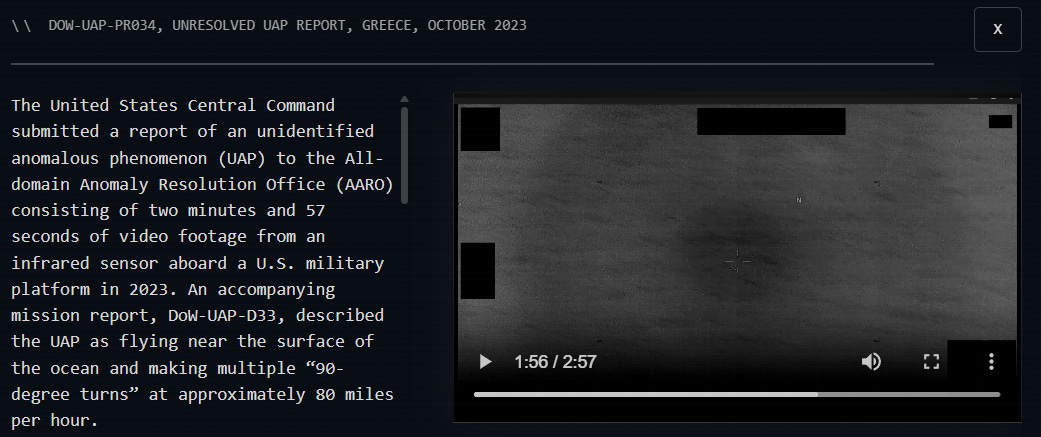
Among the most discussed items are the PR-34 video (Greece, October 2023), in which an object makes several 90° turns at nearly 130 km/h, close to the ocean’s surface, and the images from Apollo 17, for which the government’s preliminary analysis concluded that the three visible points of light were ‘potentially the result of a physical object in the scene’.
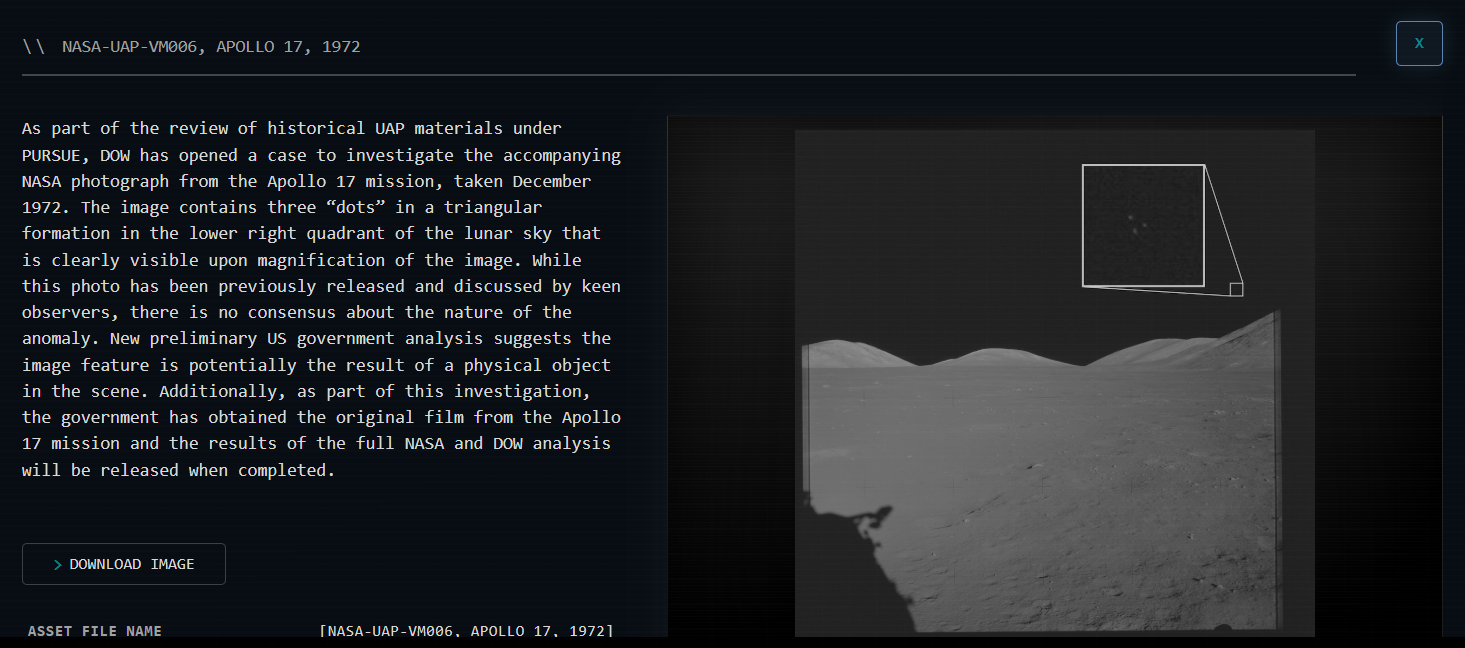
The Pentagon has launched a formal investigation into this image. Billy Kryzak offers a more cautious interpretation of the PR-38 video, whose eight-pointed cross shape had circulated as the most spectacular image in the batch: in his view, the star-shaped points are a classic optical artefact caused by light passing through the sensor, and it is the heat trail left behind the object that reveals its size, likely a very hot object shaped like an egg, sphere or tic-tac, as in most of the other videos.
Although ‘transparency’ in both substance and form is invoked for the public, it is interesting to note that there is absolutely no contribution from the Department of Energy, despite being officially listed as a PURSUE partner, nor from the NRO, the NGA, the NSA, the CIA, the DIA, the DHS or the FAA. Nor does any material come from the major aerospace contractors (Lockheed Martin, Northrop Grumman, Boeing, Raytheon, MITRE), or from the DOE’s national laboratories (Sandia, Los Alamos, Lawrence Livermore, Oak Ridge). This asymmetry is not an editorial choice: private contractors are not subject to the Freedom of Information Act under the same conditions as federal agencies, and the eminent domain clause regarding recovered technologies of unknown origin held by private entities, present in the original Schumer-Rounds Amendment, had been removed from the final NDAA 2024. It is precisely this clause that Burlison is attempting to restore in his UAP Disclosure Act of 2026.
Added to this is the IRAD (Independent Research and Development) funding mechanism, which allows defence contractors to allocate resources to internal research without providing line-by-line accountability to the contracting government, provided the project has a plausible link to defence. This is one of the main channels through which, according to several whistleblowers, reverse-engineering programmes may have been funded outside public scrutiny. The Burlison amendment explicitly targets this loophole by requiring full accounting of IRAD funds used on any aerospace anomaly.
However, this first batch should be assessed in light of what it foreshadows. The Pentagon has indicated that new files would be published “every few weeks”, as they are declassified. Interagency coordination formally leaves the door open to contributions from the DOE and intelligence agencies. The real test will come in the weeks ahead: will we see documents bearing the letterheads of the agencies cited by the whistleblowers, or of just one of the major aerospace contractors?
So far, no such evidence has surfaced, leaving the published disclosure limited to the portion of the file that the current legal framework actually allows access to. But the operation has only just begun…
22 May 2026: the second batch, and a partial answer to previous questions
Thirteen days after the initial upload, a second batch of around forty documents and videos was added to the war.gov/UFO portal. Ross Coulthart dedicated a special live edition of Reality Check to the event, featuring a new panel: retired Rear Admiral Tim Gallaudet (former Acting Deputy Administrator of NOAA, now a board member of the SOL Foundation and Americans for Safe Aerospace), lawyer Hunt Willis (Chief Legal Officer of the US Disclosure Foundation), FLIR analyst Dave Falch, Billy Kryzak (returning for the second time) and Sarah Gamm (former analyst with the Department of Defense’s UAP Task Force). Coulthart immediately poses the same question as in the first segment: “Where’s the beef?” But the analysis that follows, more technical and political in nature, offers a number of nuances.
The answer to the question posed at the end of the first part is more positive than expected. This time, the DOE, the CIA and the ODNI are contributing, and Sandia National Laboratories is explicitly named in an incident report issued by the operator of the US nuclear warhead assembly plant (PANTEX, Texas), featuring images described as “enhanced by Sandia National Labs”. Three of the major structural omissions from Release 01 are therefore present. Still missing are: private aerospace contractors (Lockheed Martin, Northrop Grumman, Boeing, Raytheon, MITRE), the NRO, the NGA, the NSA, the DHS and the FAA, as well as the other DOE national laboratories (Los Alamos, Lawrence Livermore, Oak Ridge). The legal asymmetry highlighted earlier—the FOIA and the eminent domain clause—therefore remains fully in force.
The most discussed document on the programme is a two-page first-person account, published by the ODNI, signed by a US intelligence official described as a ‘senior US intelligence officer’. It describes a helicopter-borne mission in late 2025 to an unspecified training ground, which Coulthart speculates is ‘either China Lake or the Nevada test range’. The narrative moves on to a large cave discovered near a reported area of activity, a ‘super-hot’ object that rises from the ground and approaches within ten feet of the helicopter before accelerating out of sight, followed by a T-shaped formation of four to five ‘orange orbs’ at 700 feet, which light up and go out in sequence for ten to fifteen seconds. Later, when fighter jets are scrambled from the base, the same orbs reappear above them, follow their flight path at the same speed, and continue to appear intermittently until they land.
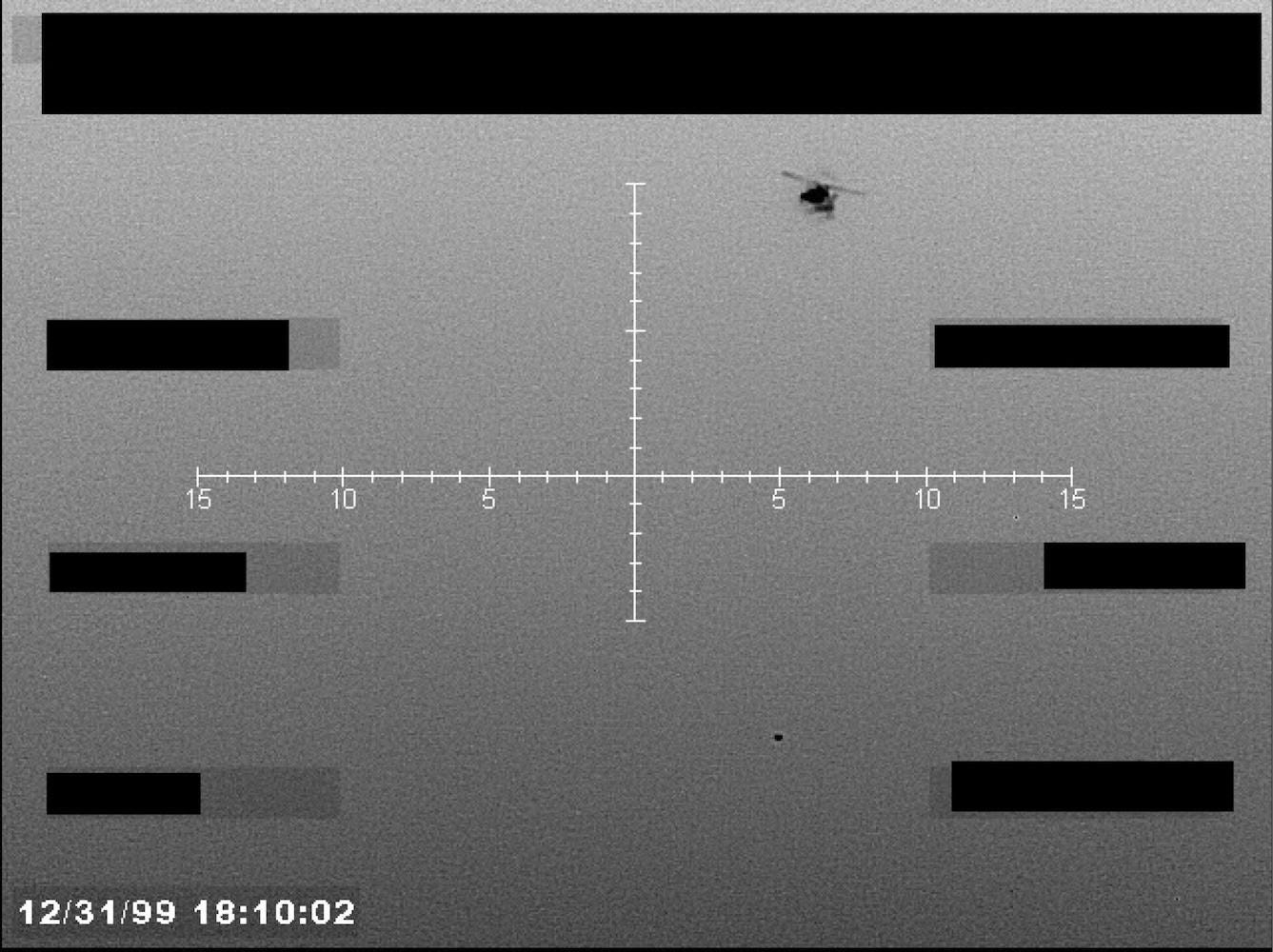
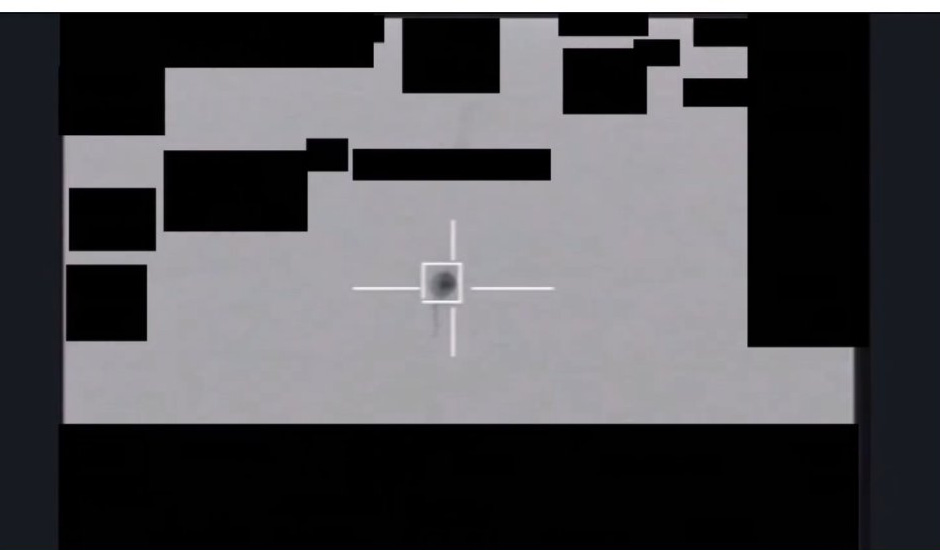
Infrared (black hot) image published by the FBI in Release 01 of 8 May 2026. Official caption: “unidentified object below helicopter over western U.S. in September 2025”. This image does not document the T-formation described in the ODNI account (the witness states that they did not take any photographs), but constitutes the only official visual record to date of a comparable incident in the same region and during the same period. Source: war.gov/UFO.
Gallaudet highlights the legal weight of the document:
Sworn testimony in a court of law is used to convict and acquit. So why wouldn’t sworn testimony and statements like this be substantial?
The most incisive observation in the programme also comes from the retired rear admiral:
If we had known – and we do know – what foreign drones and drone swarms look like, as well as our own technology, we would never have released that. We don’t release our own advanced technology. We keep that classified. And we also keep classified what we know about our adversaries. So this is truly unknown and anomalous.
The argument shifts the debate: if these images are published, it is precisely because the agencies concerned are unable to identify them. Gallaudet writes, in a note sent to Coulthart before the programme:
This data leaves little doubt that parts of the US government know that some UAPs are non-anthropogenic vehicles.
The technical panel has a few cautious surprises in store. Regarding video PR-83, Kryzak, Fulch and Gamm agree that it is a Mylar balloon, and video PR-71 is unanimously identified as the balloon shot down over Lake Huron in February 2023. Even more significantly, Kryzak analyses frame by frame a video from Syria that was circulating as an example of ‘instantaneous acceleration’, and shows that the apparent phenomenon likely stems from the sensor losing lock, followed by a shift in the camera angle: ‘It may not be instantaneous acceleration. The system lost lock and it just left the frame.” Coulthart notes that Eric Burlison had suggested, prior to publication, that certain items in this batch would be “easily dismissible in a prosaic way”, raising the suspicion that the administration is deliberately releasing items that can be easily explained by conventional means. Conversely, video PR-67, in which white orbs move around a submarine with what appear to be underwater incursions, is judged by Kryzak to be one of the most convincing: “There is one object that flies down at an extreme rate of speed and dives into the water. ”
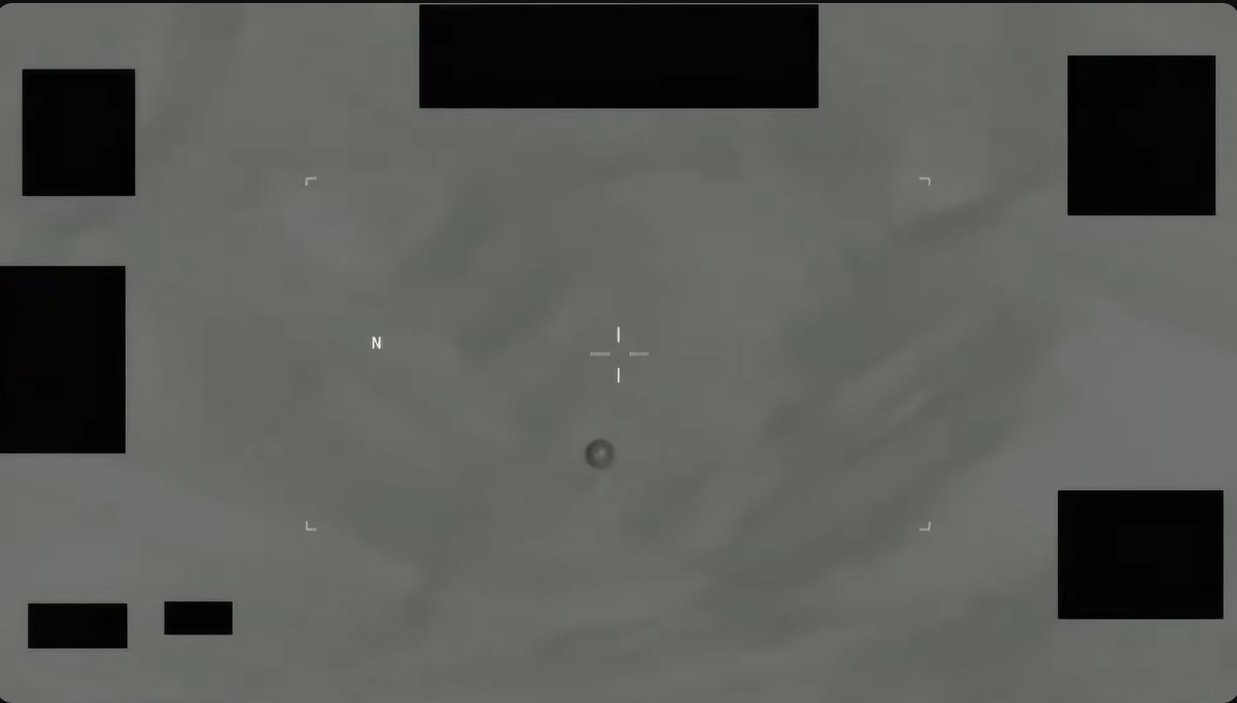
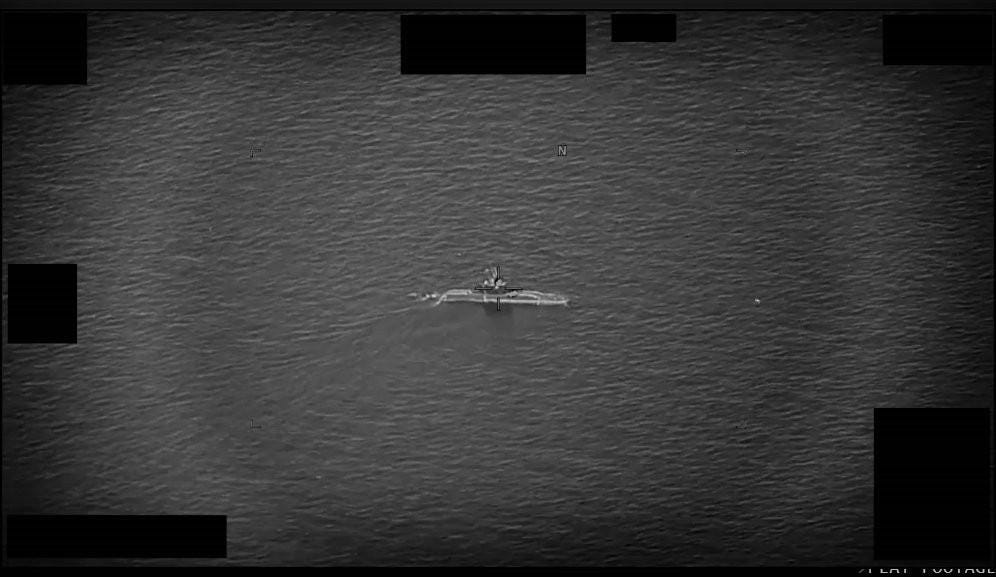
Stills extracted from videos PR-71, PR-83 and PR-67 published in Release 02. On the top and in the middle, two cases that the Reality Check technical panel identifies as conventional (shot-down balloon, Mylar balloon). On the third, “multi spherical uap uso near sub in and out of water", judged by Billy Kryzak to be the most convincing of the lot. One of the objects “dives into the water at high speed”. Source: war.gov/UFO.
Hunt Willis refocuses the debate on the ground on legal classification. He emphasises that the definition sections of the UAP Disclosure Act are key to the legislation, because they effectively rule out retroactive attributions of the ‘that’s just a secret platform we’re testing’ variety by establishing the concepts of technologies of unknown origin and non-human intelligence as legally enforceable categories. Willis describes the current situation as a “constitutional crisis on two fronts”: between Congress (Article I) and the executive (Article II) on the one hand, and between the federal government and its citizens on the other.
Alongside these contemporary documents, the second instalment also contains a massive historical section that the mainstream media has so far only touched upon: a 116-page dossier of Sandia Base archives containing the primary documentation of the investigation into the Green Fireballs (1948–1950) in New Mexico, including reports by Dr Lincoln LaPaz, the minutes of two conferences held at Los Alamos attended by representatives of the AEC, the FBI, the Fourth Army and the USAF Scientific Advisory Board, and internal correspondence mentioning Edward Teller and Theodore von Kármán. It should be noted that Coulthart briefly touched upon these. This body of material alone merits dedicated analysis, which we will provide shortly, because it fundamentally alters the public chronology of American interest in the matter.
For now, let us focus on what the second tranche establishes. The process of disclosure continues, its institutional scope is widening, and it is beginning to reach agencies that whistleblowers have been pointing to for years. Above all, it finally meets the most pressing demand from the public and the UAP caucus: visual material. 51 videos out of 64 files, compared to 28 out of 162 in the first batch. None of them constitutes the smoking gun that would impose a new reality, but it is precisely this missing piece that keeps the pressure on the subsequent batches.
Example: PR051
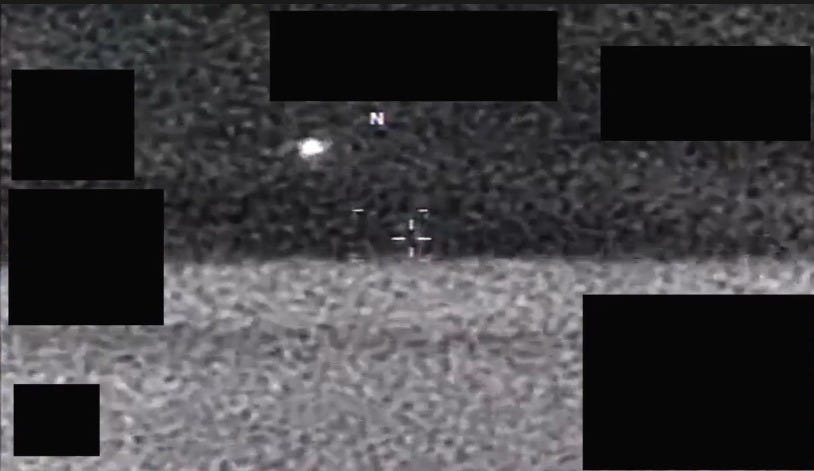
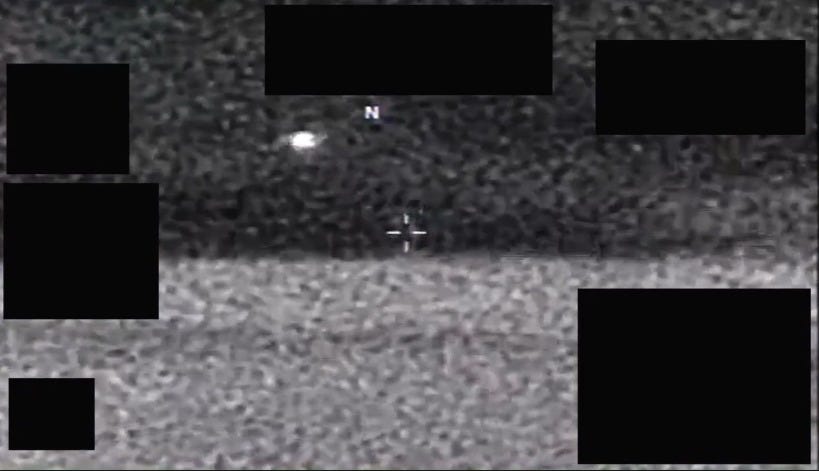
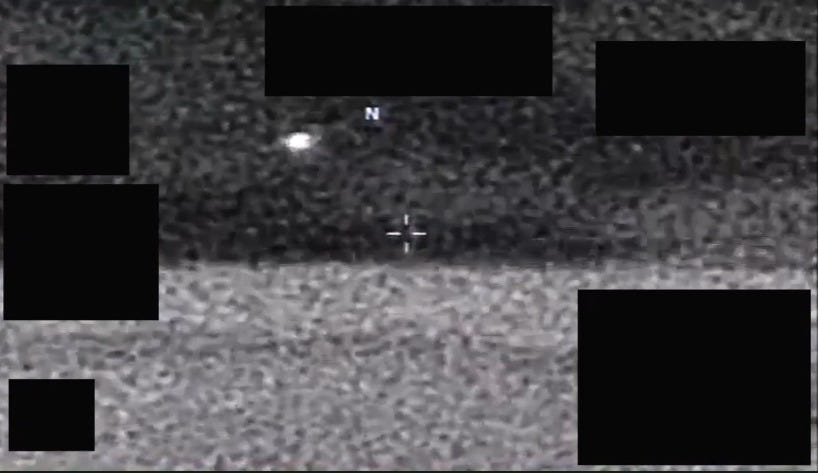
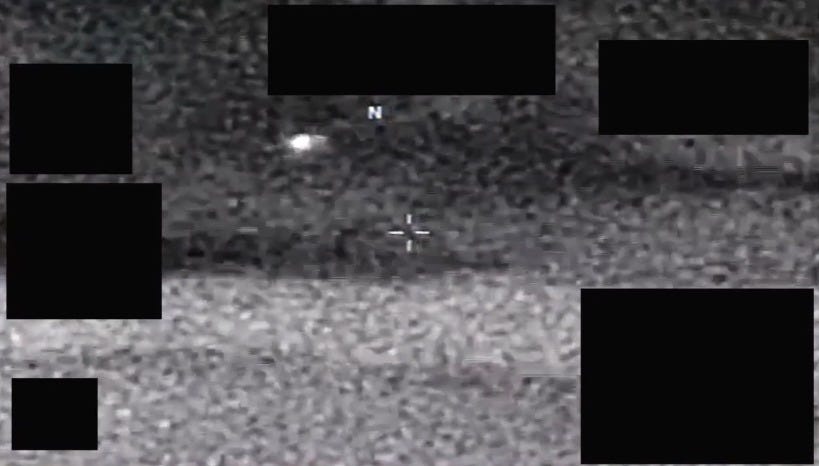
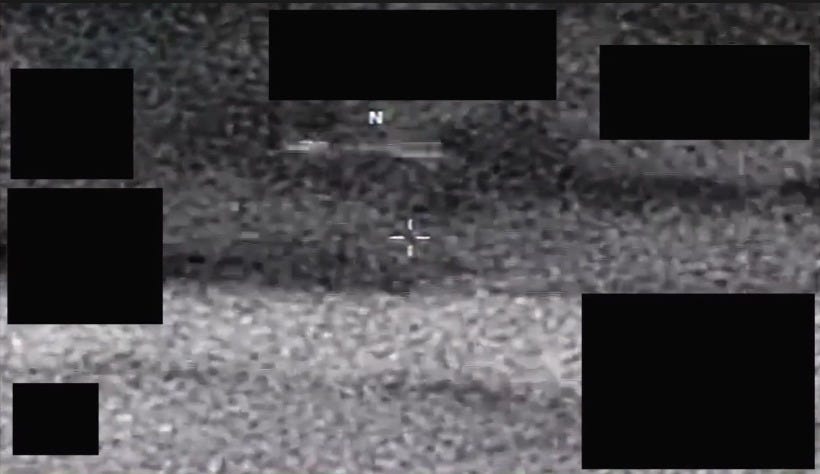
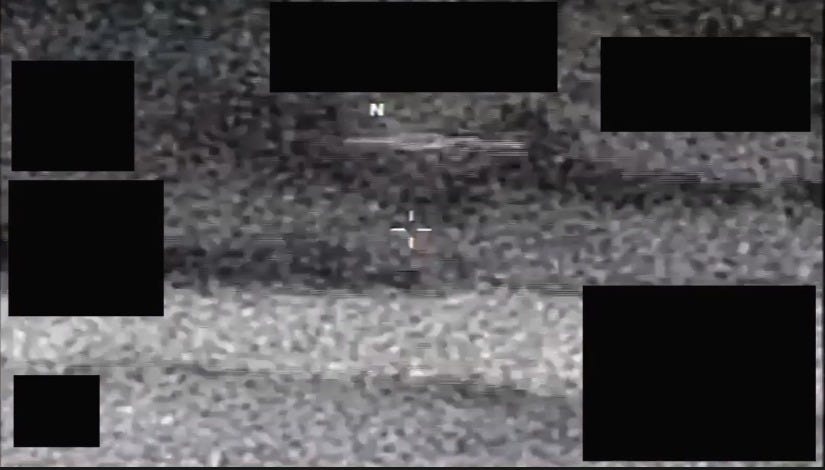
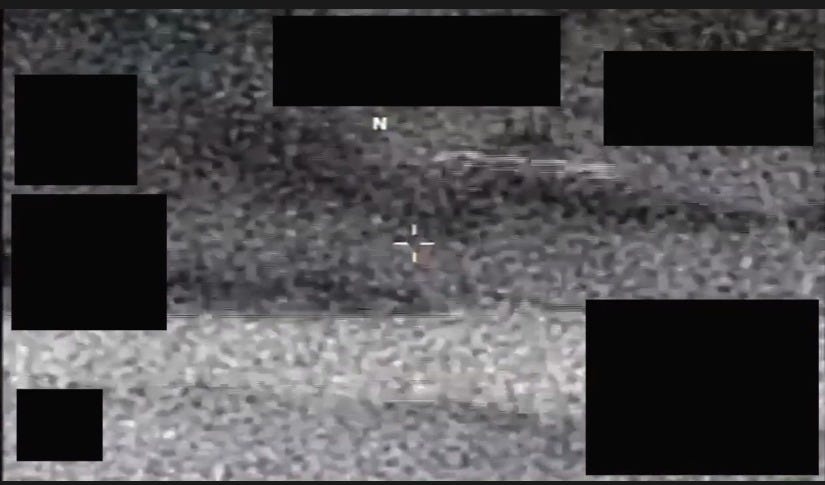
Case PR051, frame by frame, showing a sudden acceleration with no change in the background, ruling out a parallax effect, and occurring several frames after the lock-on to an unusually shaped object was lost; the sensor identified the object as being nearly 5 meters long (16ft).

According to infrared and thermal imaging expert Dave Falch, this appears to be an anomalous object.